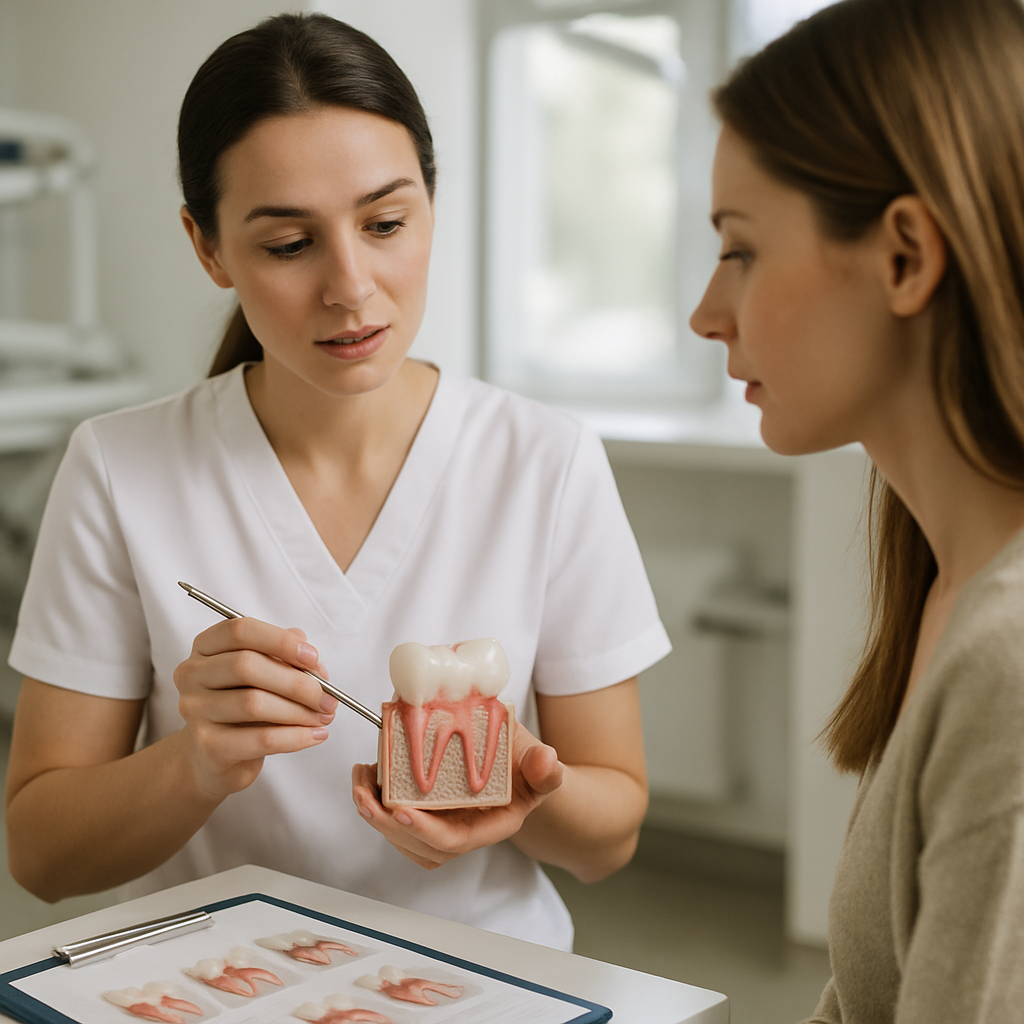
Understanding Gum Health
Gum health is an essential aspect of overall oral hygiene, yet it often receives less attention than other dental concerns. Understanding the intricacies of gum health can significantly contribute to preventing periodontal diseases, which affect millions globally. The Kepez Antalya Periodontology Treatment Guide offers a comprehensive overview of effective practices for maintaining optimal gum health. Regular dental check-ups and proper brushing techniques are foundational, yet the importance of a well-balanced diet and adequate hydration cannot be overlooked.
Incorporating nutrient-rich foods can enhance the body’s immune response, thereby aiding in the prevention of gum disease. Furthermore, the Kepez Antalya Periodontology Treatment Guide underscores the role of routine flossing and the use of antiseptic mouth rinses in combating plaque accumulation. Awareness of risk factors such as smoking, hormonal changes, and genetic predispositions is also crucial.
Addressing these factors through a personalised care plan can drastically improve gum health outcomes. The Kepez Antalya Periodontology Treatment Guide serves as a valuable resource for both patients and practitioners, highlighting the latest evidence-based practices in periodontology.
Moreover, understanding the symptoms of gum disease—such as bleeding, swelling, or persistent bad breath—can prompt timely intervention. The collaborative approach advocated by the Kepez Antalya Periodontology Treatment Guide ensures that individuals are not only informed but also empowered to take charge of their gum health. In conclusion, prioritising gum health is a critical step towards achieving lasting dental wellness.
 Online Consultation
Importance of Healthy Gums
Maintaining healthy gums is a cornerstone of overall oral health, impacting not only the mouth but also systemic well-being. Individuals often underestimate the role that gums play in safeguarding teeth and supporting dental structures. Healthy gums provide a vital barrier against infections and diseases such as periodontitis, which can lead to tooth loss and other serious complications.
The Kepez Antalya Periodontology Treatment Guide emphasises the importance of routine dental check-ups and proper oral hygiene practices to prevent gum disease. Regular brushing and flossing, alongside professional cleanings, can significantly reduce plaque buildup, a primary contributor to gum inflammation. Furthermore, the Kepez Antalya Periodontology Treatment Guide highlights specific techniques tailored to individual needs, ensuring that patients receive personalised advice on maintaining gum health.
Neglecting gum care can have far-reaching consequences, including links to cardiovascular diseases and diabetes. The Kepez Antalya Periodontology Treatment Guide underlines that inflammation in the gums can lead to systemic inflammation, posing serious health risks beyond the dental realm.
To effectively manage and promote gum health, it is crucial to recognise early signs of gum disease, such as redness, swelling, or bleeding. Educating patients about these symptoms and encouraging them to seek help through resources like the Kepez Antalya Periodontology Treatment Guide can lead to proactive care. Ultimately, investing time and effort in gum health not only enhances oral hygiene but also contributes to overall health, making it essential for everyone to prioritise this often-overlooked aspect of dental care. For more information on effective gum care, visit this resource.
Common Gum Issues and Their Signs
Understanding common gum issues is crucial for maintaining optimal oral health. Gum disease, also known as periodontal disease, is often overlooked, yet it can lead to severe complications if not addressed promptly. The initial signs of gum issues typically include redness, swelling, and tenderness of the gums. Patients may notice bleeding during brushing or flossing, which should never be ignored.
Another prominent concern is bad breath, which can be indicative of underlying periodontal conditions. The accumulation of plaque and tartar can irritate the gums, leading to a more advanced stage known as periodontitis. In this stage, patients might experience gum recession, where the gums pull away from the teeth, exposing the roots and potentially resulting in tooth mobility.
For those seeking expert guidance, the Kepez Antalya Periodontology Treatment Guide serves as an invaluable resource. This guide provides comprehensive insights into identifying and managing gum issues effectively. It highlights the importance of regular dental check-ups and professional cleanings, which play a pivotal role in preventing the advancement of gum diseases.
It is essential for individuals to recognise the signs early; otherwise, they risk progression to more severe conditions. By following the Kepez Antalya Periodontology Treatment Guide, patients can enhance their understanding of periodontal health and take proactive steps toward maintaining their gum health. Through education and timely intervention, many of the common gum issues can be effectively managed, ensuring a healthier smile for years to come.
Periodontal Evaluation Process
The periodontal evaluation process is critical in diagnosing and managing periodontal diseases. This systematic approach begins with a comprehensive patient history, which allows the practitioner to understand the patient’s oral health, medical conditions, and lifestyle factors that may influence periodontal status. Following this, a thorough clinical examination of the gums, teeth, and surrounding structures is essential. This includes probing depths, bleeding on probing, and assessing attachment levels, all of which are vital indicators of periodontal health.
To further refine diagnosis, radiographic examinations are employed to evaluate the bone levels and identify any pathological changes. The integration of these findings assists in developing a tailored treatment plan that aligns with the patient’s specific needs. The Kepez Antalya Periodontology Treatment Guide provides valuable insights into treatment protocols that can be employed post-evaluation. Emphasising a multidisciplinary approach, this guide encourages collaboration among dental professionals to enhance patient outcomes.
Moreover, patient education plays a pivotal role in the management of periodontal health. Engaging patients in their treatment process fosters compliance and empowers them to maintain their oral hygiene. The Kepez Antalya Periodontology Treatment Guide addresses strategies for patient motivation and behavioural modification, ensuring a holistic approach to periodontal care.
Finally, ongoing monitoring and reevaluation of periodontal status are crucial to ensure the effectiveness of the implemented treatment. Emphasising the importance of regular check-ups, the Kepez Antalya Periodontology Treatment Guide highlights how maintaining periodontal health is a long-term commitment. For further insights and updates in the field, visit this relevant link.
What to Expect During Your Evaluation
As you prepare for your evaluation, it is essential to understand what the process entails and how it can benefit you. The assessment will typically begin with a thorough consultation, where your dental history and specific concerns will be discussed in detail. This initial conversation sets the stage for a tailored approach to your periodontal treatment, based on the Kepez Antalya Periodontology Treatment Guide.
During the evaluation, specialised tools and techniques will be employed to assess the health of your gums and surrounding tissues. Expect a comprehensive examination that includes the measurement of pocket depths and the evaluation of any signs of periodontal disease. The practitioner may also utilise digital imaging for a more in-depth analysis, ensuring that all aspects of your oral health are taken into account, as outlined in the Kepez Antalya Periodontology Treatment Guide.
Following the assessment, your clinician will discuss their findings with you, offering insights into your current periodontal condition and necessary steps moving forward. This stage is crucial, as it lays a foundation for a customised treatment plan that aligns with the recommendations provided in the Kepez Antalya Periodontology Treatment Guide.
Ultimately, this evaluation not only informs you of your oral health status but also empowers you to take an active role in your treatment journey. By understanding what to expect, you can approach your evaluation with confidence, knowing that the Kepez Antalya Periodontology Treatment Guide will be central to the support and care you receive.
Key Indicators of Gum Health
Maintaining optimal gum health is essential for overall oral hygiene and can significantly impact one’s quality of life. Numerous factors play a crucial role in determining the health of the gums, which in turn influence the stability of the teeth and the integrity of the supporting tissues. Key indicators to assess gum health include the presence of inflammation, pocket depth, bleeding on probing, and the attachment level of the gums to the teeth.
In particular, the Kepez Antalya Periodontology Treatment Guide emphasises the importance of regularly monitoring these indicators. A lack of inflammation is paramount; healthy gums should appear pink and firm, devoid of any swelling or redness. Moreover, measuring pocket depth provides valuable insights into the health of the periodontal tissues. Pockets deeper than 3mm often signal the presence of periodontal disease.
Bleeding on probing is another significant indicator. Healthy gums should not bleed when gently probed, and persistent bleeding may warrant further investigation and intervention as outlined in the Kepez Antalya Periodontology Treatment Guide. Lastly, assessing the attachment level gives an indication of how well the gums are adhering to the teeth, a critical aspect in the prevention of gum recession.
These indicators are not merely academic; they are essential for guiding treatment decisions and ensuring long-term gum health. Following the protocols set forth in the Kepez Antalya Periodontology Treatment Guide can help practitioners effectively diagnose and manage periodontal conditions. Regular check-ups and adherence to recommended practices can aid in preventing the progression of gum disease and enhancing overall oral well-being, underscoring the importance of proactive dental care.
Prevention Strategies for Gum Disease
Effective management of gum disease is crucial for maintaining overall oral health. Implementing robust prevention strategies can make a significant difference in reducing the risk of periodontal issues. Regular dental check-ups and professional cleanings are paramount. These appointments allow for early detection of any potential problems and ensure that plaque and tartar are effectively removed, which are key contributors to gum disease.
Additionally, maintaining a diligent oral hygiene routine at home is essential. Brushing twice daily with fluoride toothpaste and flossing regularly can help to keep the gums healthy. It is also advisable to use mouthwash that targets bacteria to further enhance oral hygiene practices.
Diet plays a vital role as well; consuming a balanced diet rich in vitamins and minerals can strengthen gum tissues. Particularly, vitamin C is known for its role in collagen formation, which is crucial for gum health.
For those seeking to deepen their understanding of gum disease prevention, the Kepez Antalya Periodontology Treatment Guide provides comprehensive insights into effective techniques and methodologies. This guide is particularly valuable for dental professionals aiming to educate their patients about best practices in periodontal care and gum disease prevention.
Moreover, smoking cessation is another critical aspect. Tobacco products significantly impair gum health and increase susceptibility to periodontal diseases.
Incorporating these strategies not only promotes oral health but also aligns with recommendations from the Kepez Antalya Periodontology Treatment Guide, ensuring both personal and professional approaches are informed by the latest research. Ultimately, prioritising these preventive measures can lead to healthier gums and a brighter smile.
Daily Oral Hygiene Practices
A robust daily oral hygiene routine is essential for maintaining not only the health of one’s teeth but also overall well-being. Consistent practices help prevent tooth decay and gum disease, which are critical concerns in the field of dentistry. Among various approaches, the Kepez Antalya Periodontology Treatment Guide emphasises the importance of effective plaque removal as a cornerstone of oral care. A thorough brushing technique, complemented by the use of fluoride toothpaste, is vital. It is generally recommended to brush for at least two minutes, ensuring that all surfaces of each tooth are adequately cleaned.
Additionally, the use of dental floss or interdental brushes cannot be overstated. These tools reach areas that toothbrushes often miss, significantly reducing the risk of gum inflammation. Following the guidelines set out in the Kepez Antalya Periodontology Treatment Guide, individuals should floss daily to ensure that debris and plaque are removed from between teeth. Rinsing with an antimicrobial mouthwash can further enhance oral hygiene, providing additional protection against pathogens.
Regular dental check-ups are also crucial. These visits allow professionals to monitor oral health and provide tailored advice based on individual needs, as outlined in the Kepez Antalya Periodontology Treatment Guide. They can also identify potential issues early, facilitating timely intervention. Ultimately, by adhering to these recommended practices, individuals not only contribute to their own dental health but also support the broader goals of periodontal health, as highlighted in the Kepez Antalya Periodontology Treatment Guide.
Role of Professional Cleanings
In today’s fast-paced world, maintaining cleanliness and hygiene in professional settings is paramount. The role of professional cleaning services extends far beyond mere tidiness; it significantly influences health, safety, and overall productivity within various environments. Particularly in healthcare facilities, adherence to rigorous cleanliness standards is essential. As outlined in the comprehensive Kepez Antalya Periodontology Treatment Guide, there is a direct correlation between a sterile environment and the successful treatment outcomes for dental patients. This guide serves as a crucial resource for practitioners, elucidating the best practices for maintaining a high level of sanitation.
Furthermore, professional cleaning services contribute to a positive impression on clients and visitors. In settings like offices and retail spaces, a clean environment fosters trust and comfort, which can enhance customer experiences. The Kepez Antalya Periodontology Treatment Guide acknowledges that for dental practices, an immaculate clinic is not just a nicety; it is a necessity that reflects the professionalism and competence of the practitioners.
Moreover, professional cleaning firms employ trained staff equipped with specialised knowledge and tools to address unique cleaning challenges. Their expertise ensures that spaces are not only visually appealing but also compliant with health regulations, which is crucial in sectors such as hospitality and healthcare. The Kepez Antalya Periodontology Treatment Guide emphasises the importance of ongoing training in cleaning protocols to ensure that dental facilities uphold the highest standards of cleanliness.
In conclusion, investing in professional cleaning services is an essential strategy for businesses seeking to enhance their operational efficiency and reputation. The insights from the Kepez Antalya Periodontology Treatment Guide offer valuable guidance for ensuring that cleanliness remains a priority in any professional setting.
Treatment Planning for Gum Health
Effective management of gum health is paramount in periodontal practice, as it directly influences overall oral wellbeing. A comprehensive treatment plan tailored to the individual’s needs forms the cornerstone of achieving optimal results. Key to this process is utilising resources that provide evidence-based protocols and expert guidance, such as the Kepez Antalya Periodontology Treatment Guide. This guide offers a systematic approach, ensuring that all aspects of periodontal disease are addressed, from diagnosis to follow-up care.
The initial phase of treatment planning involves a thorough assessment of the patient’s periodontal condition, including probing depths, clinical attachment levels, and radiographic evaluation. By integrating insights from the Kepez Antalya Periodontology Treatment Guide, practitioners can devise strategies that not only focus on the immediate treatment but also on long-term maintenance. The guide emphasises the significance of patient education, ensuring that individuals are well-informed about their condition and the rationale behind the proposed interventions.
Moreover, the implementation of non-surgical and surgical options is elaborated within the Kepez Antalya Periodontology Treatment Guide, allowing practitioners to make informed decisions based on the severity of the disease. Regular monitoring and adjustments to the treatment plan are also highlighted, reflecting the evolving nature of periodontal health. In summary, the integration of the Kepez Antalya Periodontology Treatment Guide into treatment planning enhances the capacity of dental professionals to provide personalised and effective care, ultimately fostering better outcomes for patients.
Assessing Treatment Suitability
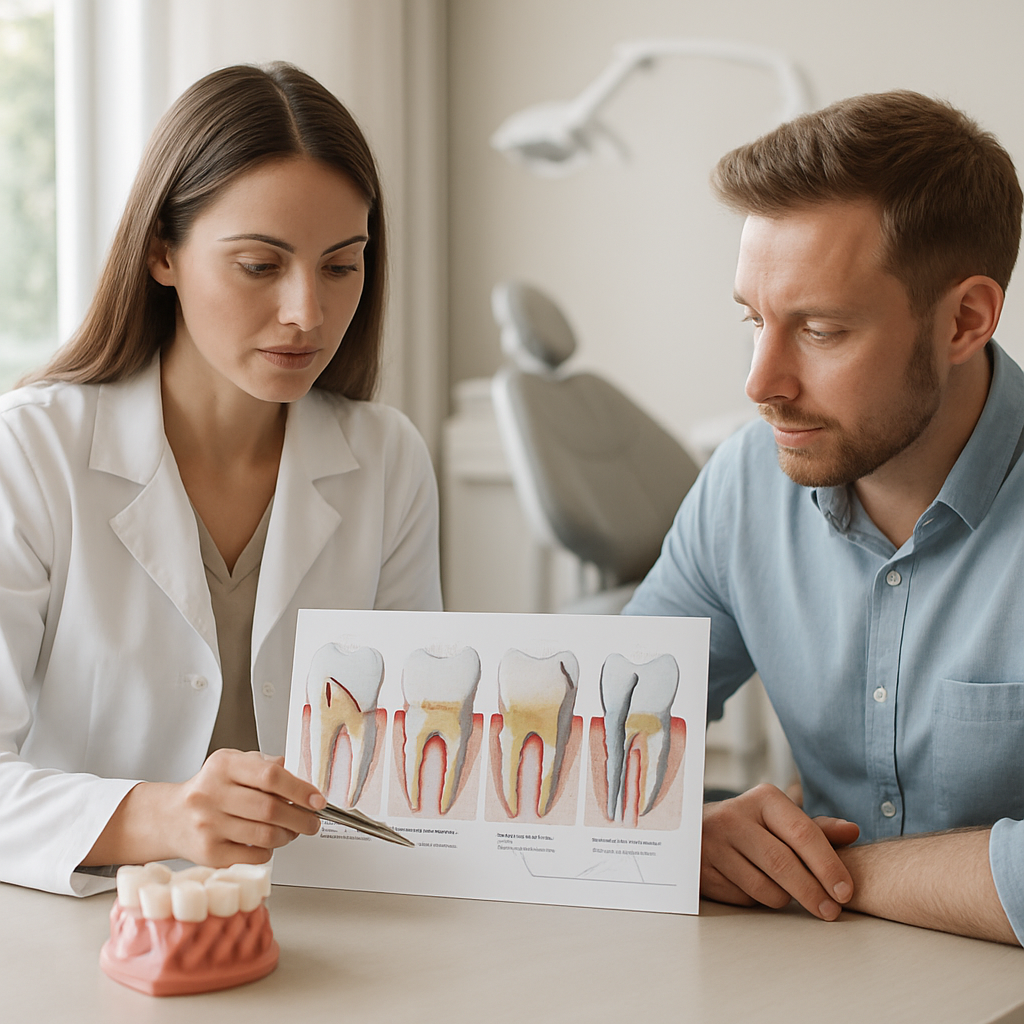
When considering the most appropriate interventions for dental health, it is crucial to assess the suitability of various treatment options tailored to individual patient needs. This process is particularly vital in the realm of periodontology, where the right guidance can significantly influence treatment outcomes. Hence, the Kepez Antalya Periodontology Treatment Guide serves as an essential resource for clinicians aiming to implement evidence-based strategies in their practice.
Understanding the unique circumstances of each patient is fundamental; factors such as age, medical history, and specific periodontal conditions must be systematically evaluated. The Kepez Antalya Periodontology Treatment Guide provides a comprehensive framework to aid practitioners in making informed decisions that align with the latest advancements in periodontal therapy. Utilising this guide helps to ensure that clinicians not only identify appropriate treatment modalities but also enhance patient engagement by clearly communicating the rationale behind selected interventions.
Moreover, the guide underscores the importance of continuous education and adaptation of techniques, emphasising that what may be suitable for one patient may not necessarily apply to another. Clear protocols in the Kepez Antalya Periodontology Treatment Guide support this tailored approach, enabling practitioners to refine their methodologies based on individual responses to treatment.
In conclusion, assessing treatment suitability demands a meticulous approach, and the Kepez Antalya Periodontology Treatment Guide stands as an invaluable tool for dental professionals striving for excellence in patient care. By integrating these guidelines into practice, clinicians can ensure that their treatment strategies are not only effective but also personalised, thus fostering better outcomes in periodontal health.
Customized Treatment Plans
In the realm of periodontal care, the importance of tailored strategies for each patient cannot be overstated. Customised approaches not only enhance patient satisfaction but also significantly improve treatment outcomes. A comprehensive understanding of individual needs allows practitioners to devise plans that address specific conditions, preferences, and lifestyle factors. This is particularly relevant when referencing the Kepez Antalya Periodontology Treatment Guide, which stresses the necessity of a bespoke methodology in addressing periodontal issues.
A successful treatment plan incorporates a thorough assessment of the patient’s oral health history, current conditions, and any systemic factors that may impact periodontal wellness. By utilising the insights provided by the Kepez Antalya Periodontology Treatment Guide, clinicians can stay abreast of the latest advancements in treatment techniques and technologies. Such knowledge empowers practitioners to make informed decisions, ensuring that the customised treatment plan is both effective and sustainable.
Moreover, the role of patient education cannot be overlooked. Engaging patients in the decision-making process and explaining the rationale behind each component of the Kepez Antalya Periodontology Treatment Guide not only fosters trust but also encourages adherence to prescribed treatments. This collaborative approach enhances the overall experience and outcomes for the patient.
Ultimately, the provision of customised treatment plans, as emphasised by the Kepez Antalya Periodontology Treatment Guide, underscores the evolution of periodontal care towards a more patient-centric model. By focusing on individual needs and preferences, dental professionals can ensure that their patients receive the highest standard of care tailored to their unique circumstances.
The Treatment Process Explained
Understanding the treatment process in periodontology is essential for both practitioners and patients. Initially, a comprehensive assessment is conducted, which includes a thorough examination of the patient’s dental and medical history, as well as a detailed clinical examination. This crucial first step allows the practitioner to identify any underlying issues that may affect the treatment plan. The Kepez Antalya Periodontology Treatment Guide emphasises the importance of tailored approaches based on individual patient needs.
Following the assessment, treatment options are discussed. Common procedures may involve non-surgical methods, such as scaling and root planing, aimed at removing plaque and tartar from the teeth and gums. The Kepez Antalya Periodontology Treatment Guide provides insights into the various advanced techniques available, ensuring that dental professionals remain informed about the latest methodologies.
If further intervention is necessary, surgical options may be explored. These could include flap surgery or bone grafting, depending on the severity of the periodontal disease. The Kepez Antalya Periodontology Treatment Guide highlights the significance of monitoring and follow-up care, which are vital components of the treatment process. Regular check-ups not only help in assessing the effectiveness of the treatment but also play a key role in preventing future complications.
In conclusion, a structured treatment process, as outlined in the Kepez Antalya Periodontology Treatment Guide, ensures that patients receive optimal care tailored to their specific circumstances. By adhering to established protocols, practitioners can significantly improve patient outcomes in periodontal health.
Non-Surgical Treatment Options
In recent years, non-surgical treatment options have gained immense popularity within the field of dentistry, particularly in periodontology. These alternatives provide patients with effective solutions for various periodontal issues without the need for invasive procedures. A key resource in this domain is the Kepez Antalya Periodontology Treatment Guide, which offers comprehensive insights into these methodologies, ensuring that both practitioners and patients are well-informed.
Among the most prominent non-surgical treatments are scaling and root planing, which aim to remove plaque and tartar from the roots of teeth. This deep cleaning process can significantly mitigate gum disease, often serving as a foundational step before further interventions. The Kepez Antalya Periodontology Treatment Guide highlights the importance of regular maintenance visits following such treatments to preserve oral health.
Another noteworthy approach involves the use of local antibiotics, which can be administered to target specific areas of infection. This method not only aids in managing periodontal disease but also complements mechanical cleaning efforts, as detailed in the Kepez Antalya Periodontology Treatment Guide. Moreover, advancements in laser technology have introduced minimally invasive techniques that enhance the efficacy of non-surgical care, offering reduced recovery times and improved patient comfort.
In conclusion, the array of non-surgical treatment options available today empowers both dentists and patients to take proactive measures in managing periodontal health. By utilising resources such as the Kepez Antalya Periodontology Treatment Guide, professionals can ensure that they provide the best possible care tailored to each individual’s needs.
Surgical Interventions and Recovery
The landscape of surgical interventions is an intricate tapestry woven with advancements in technology and enhanced recovery protocols. Patients undergoing surgery are often faced with a blend of anxiety and anticipation, as the path to recovery is critical for their long-term health outcomes. Central to this journey is the comprehensive guidance provided by resources such as the Kepez Antalya Periodontology Treatment Guide, which serves as an invaluable tool for both practitioners and patients.
Following surgical procedures, meticulous attention to rehabilitation processes is paramount. The Kepez Antalya Periodontology Treatment Guide underscores the importance of tailored recovery plans, considering factors such as the type of surgery performed and individual patient needs. A well-structured recovery phase can significantly influence the healing timeline and overall satisfaction of the patient.
Moreover, the significance of post-operative care cannot be overstated. Recommendations found in the Kepez Antalya Periodontology Treatment Guide advocate for multidisciplinary approaches that include follow-up appointments and patient education. Empowering patients with knowledge fosters adherence to prescribed recovery protocols, ultimately leading to improved outcomes.
In conclusion, the synergy between surgical interventions and recovery processes is critical for optimal health results. By utilising resources like the Kepez Antalya Periodontology Treatment Guide, healthcare professionals can ensure that patients embark on a well-informed, supportive journey towards recovery, paving the way for enhanced wellbeing and quality of life.
Professional Evaluation and Follow-Up Care
The importance of comprehensive assessment and subsequent management in dental care cannot be overstated, particularly in the realm of periodontology. A detailed approach ensures that patients receive tailored treatment plans that address their specific needs. A significant resource in this field is the Kepez Antalya Periodontology Treatment Guide, which offers invaluable insights into best practices and advanced techniques in periodontal health.
When embarking on a professional evaluation, practitioners must consider a range of factors, including patient history, clinical findings, and radiographic evidence. The Kepez Antalya Periodontology Treatment Guide emphasises the need for holistic assessments that encompass both the biological and psychological aspects of patient care. This thorough evaluation allows dentists to identify underlying issues that may not be immediately apparent, ensuring that every facet of a patient’s condition is addressed.
After the initial evaluation, the significance of follow-up care cannot be underestimated. This phase is crucial not only for monitoring the patient’s progress but also for making necessary adjustments to the treatment plan. The protocols detailed in the Kepez Antalya Periodontology Treatment Guide serve as a framework for practitioners to establish effective follow-up routines, ensuring that patients remain engaged and informed throughout their recovery process. Ultimately, a commitment to professional evaluation and diligent follow-up care is essential in fostering long-term periodontal health and enhancing patient satisfaction. The synergy between these two components is what elevates the standard of care within the field of periodontology.
Importance of Regular Check-Ups
Regular health check-ups are a crucial aspect of maintaining overall well-being, serving not only as a preventative measure but also as a means to identify potential health issues before they escalate. In the realm of dental and periodontal health, the significance of these check-ups cannot be overstated. Dentists often refer to resources like the Kepez Antalya Periodontology Treatment Guide to ensure they are updated on the latest practices and interventions.
Incorporating regular check-ups into one’s routine allows dental professionals to monitor periodontal health effectively, identifying signs of gum disease or other complications early on. By following guidelines such as those outlined in the Kepez Antalya Periodontology Treatment Guide, practitioners can employ effective strategies tailored to individual patient needs, enhancing the likelihood of successful treatment outcomes.
Moreover, these appointments foster a strong relationship between patients and dental professionals, encouraging open communication about oral health concerns. The insights gained from the Kepez Antalya Periodontology Treatment Guide enable practitioners to provide comprehensive care, ensuring that patients receive the most effective treatments available.
Additionally, regular check-ups support the prevention of systemic health issues linked to poor oral health, such as heart disease and diabetes. By prioritising these visits, patients not only invest in their dental health but also contribute to their overall physical wellness. The Kepez Antalya Periodontology Treatment Guide serves as an invaluable resource for both patients and professionals in navigating this essential aspect of healthcare, underscoring the profound impact of proactive dental care.
Long-Term Maintenance of Gum Health
Achieving and maintaining optimal gum health is a multifaceted endeavour that requires both diligence and a solid understanding of periodontal care principles. Regular dental check-ups and cleanings are essential, but the foundation lies in effective daily oral hygiene practices. A comprehensive approach to oral care should include proper brushing techniques, the use of dental floss, and the incorporation of antibacterial mouth rinses. With these practices, individuals can significantly reduce the risk of periodontal diseases that threaten gum health.
In addition, knowledge from a reliable source, such as the Kepez Antalya Periodontology Treatment Guide, can be invaluable in navigating the complexities of gum maintenance. This guide underscores the importance of regular assessments, which can help in identifying potential issues before they escalate. It also highlights the synergistic role of diet and lifestyle choices in supporting periodontal health. Nutrient-rich foods and adequate hydration can bolster the body’s natural defences against gum disease.
Moreover, the Kepez Antalya Periodontology Treatment Guide suggests that patients engage actively in their care by recognising signs of gum issues early. Symptoms like swelling or bleeding should not be ignored; timely intervention can prevent more serious complications.
Finally, ongoing education and awareness, bolstered by resources like the Kepez Antalya Periodontology Treatment Guide, empower both patients and professionals alike. By adopting these principles and remaining proactive, individuals can enjoy lasting gum health and a vibrant smile for years to come.