Introduction to Dental Sedation
The importance of understanding dental sedation cannot be overstated, particularly for practitioners seeking to enhance patient comfort and safety during dental procedures. The Kepez Antalya Dental Clinic Dental Sedation Guide serves as an essential resource for dental professionals who aim to navigate the complexities of sedation techniques effectively. This guide delineates various sedation methods, including nitrous oxide, oral sedation, and intravenous techniques, each tailored to meet the unique needs of patients.
As anxiety remains a significant barrier to dental treatment for many individuals, the application of appropriate sedation strategies is crucial in fostering a more relaxed environment. The Kepez Antalya Dental Clinic Dental Sedation Guide emphasises the necessity of thorough patient assessments prior to administering sedation, ensuring that any potential risks are meticulously evaluated. Additionally, it provides insights into the mechanisms of sedation, detailing how each method can be utilised safely and effectively.
Furthermore, the role of post-sedation monitoring is highlighted, as it is vital for ensuring patient safety throughout the recovery period. By adhering to the best practices outlined in the Kepez Antalya Dental Clinic Dental Sedation Guide, dental professionals can significantly improve patient satisfaction and outcomes.
Ultimately, equipping oneself with knowledge from this guide not only enriches a practitioner’s skill set but also promotes a culture of safety and care within the dental practice. In a profession where patient experience is paramount, mastering sedation techniques is an invaluable asset that can lead to a more positive perception of dental care among patients.
 Online Consultation
What is Dental Sedation?
For many patients, visiting the dentist can evoke feelings of anxiety or fear, particularly when it comes to procedures involving needles or drills. To alleviate these concerns, dental practitioners often employ various forms of sedation. This technique allows patients to undergo necessary dental treatments with a reduced sense of discomfort and anxiety, making the experience more manageable and, in some cases, more pleasant.
Sedation in dentistry serves multiple purposes. It can help in performing lengthy procedures efficiently while ensuring patient comfort. The levels of sedation can vary, ranging from minimal sedation, where the patient remains awake yet relaxed, to deep sedation, where they are almost completely unaware of their surroundings. The choice of sedation depends on the individual’s needs and the complexity of the procedure at hand.
The Kepez Antalya Dental Clinic Dental Sedation Guide outlines the various methods available, including nitrous oxide, oral sedatives, and intravenous sedation. Each method has its own advantages and considerations, and the clinic’s professionals are adept at determining the most appropriate approach for every patient.
Understanding the implications of dental sedation is crucial for both practitioners and patients. The Kepez Antalya Dental Clinic Dental Sedation Guide provides comprehensive information, ensuring that both parties are well-informed prior to any procedure. By prioritising safety and comfort, dental professionals can significantly enhance the overall experience for their patients. For further insights on this important topic, consider exploring more resources through this link. The Kepez Antalya Dental Clinic Dental Sedation Guide is a valuable asset for anyone considering dental treatment with sedation.
Types of Dental Sedation
When considering dental procedures, understanding the various types of sedation available is crucial for both patients and practitioners. Sedation dentistry plays a significant role in alleviating anxiety and ensuring comfort during treatments. Among the most commonly used methods are nitrous oxide, also known as laughing gas, which provides a calming effect while allowing patients to remain conscious, and oral sedatives that induce a deeper state of relaxation. Additionally, intravenous (IV) sedation is increasingly popular for more complex procedures, offering heightened control over the sedation levels and rapid onset of effects.
For those who may require a more profound level of sedation, general anaesthesia may be employed, although this is typically reserved for more invasive treatments or for patients with specific needs. The Kepez Antalya Dental Clinic Dental Sedation Guide outlines these options in detail, helping patients make informed decisions tailored to their individual circumstances.
It is essential for patients to have a thorough consultation with their dental professional, who can assess their medical history and anxiety levels to recommend the most appropriate type of sedation. The Kepez Antalya Dental Clinic Dental Sedation Guide emphasises that understanding the implications of each sedation type is vital for a safe and effective dental experience.
Ultimately, the choice of sedation should reflect the patient’s comfort and the complexity of the procedure, ensuring a positive and stress-free dental visit. Resources like the Kepez Antalya Dental Clinic Dental Sedation Guide provide invaluable insights, empowering patients to engage more fully in their dental care journey.
How Dental Sedation Works
Understanding the mechanisms behind dental sedation is crucial for both practitioners and patients alike. Dental sedation techniques aim to alleviate anxiety and discomfort during procedures, making dental visits less daunting. The Kepez Antalya Dental Clinic Dental Sedation Guide provides comprehensive insights into various sedation options available. The primary forms of sedation include nitrous oxide, oral sedatives, and intravenous sedatives, each tailored to suit individual patient needs.
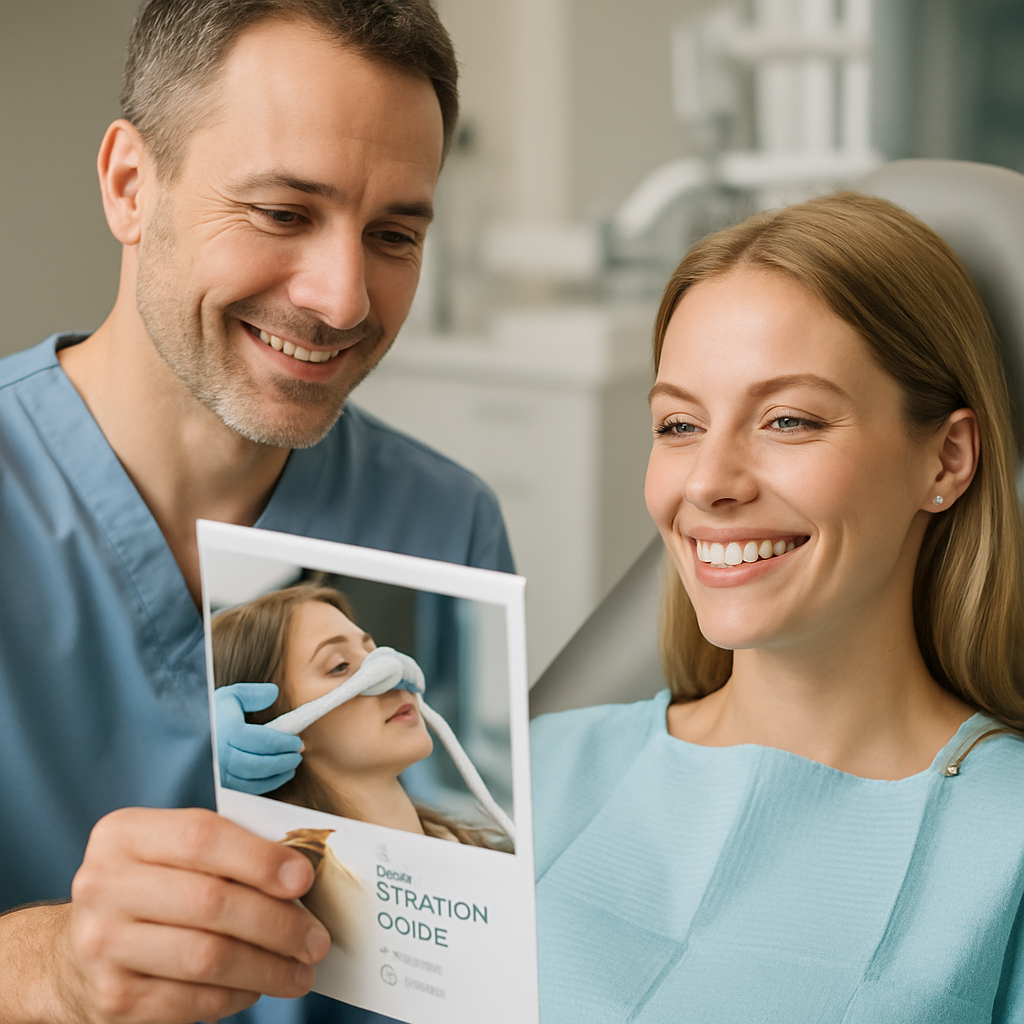
Nitrous oxide, commonly known as ‘laughing gas’, is inhaled through a mask and induces a state of relaxation without compromising awareness. This method allows patients to regain full control shortly after the procedure, making it a popular choice in the Kepez Antalya Dental Clinic Dental Sedation Guide. Oral sedatives, on the other hand, are taken prior to the appointment and can result in varying levels of sedation, depending on the dosage and the patient’s response. Intravenous sedation provides a deeper level of relaxation, administered directly into the bloodstream, ensuring quick and effective results.
The selection of the appropriate sedation method is based on several factors, including the type of procedure, the patient’s medical history, and their anxiety levels. The Kepez Antalya Dental Clinic Dental Sedation Guide emphasises the importance of thorough pre-sedation assessments to identify potential risks. For further details on this topic, one can explore resources available on various platforms, including social media channels that provide updates and information on dental sedation practices. By understanding how dental sedation works, patients can approach their dental care with greater confidence and peace of mind, ensuring a more pleasant experience overall.
Patient Assessment for Dental Sedation
Effective patient assessment is paramount in the realm of dental sedation, ensuring both safety and efficacy during procedures. Prior to administering sedation, comprehensive evaluation of the patient’s medical history, current medications, and any underlying health conditions is essential. This meticulous process not only helps in identifying potential risks but also aids in tailoring the sedation approach to each individual’s needs.
In the context of dental practices, particularly at Kepez Antalya Dental Clinic Dental Sedation Guide, thorough assessments are pivotal in determining the appropriate sedation level required for various procedures. Different patients may exhibit varying sensitivities to sedatives; thus, understanding their unique profiles is crucial. Moreover, dental professionals must evaluate the patient’s anxiety levels, as those with heightened dental anxiety may benefit from deeper sedation techniques.
The Kepez Antalya Dental Clinic Dental Sedation Guide emphasizes the necessity of engaging in open discussions with patients regarding their concerns. This dialogue not only fosters trust but also aids in making informed decisions about sedation options. It is equally important to involve a qualified anaesthetist when necessary, especially in cases involving patients with complex medical histories.
Ultimately, the goal of effective patient assessment in dental sedation is to ensure a smooth and comfortable experience for patients. By adhering to the guidelines set out by the Kepez Antalya Dental Clinic Dental Sedation Guide, dental professionals can significantly enhance patient outcomes, making dental visits a more pleasant experience and reducing the associated anxieties that often deter individuals from seeking necessary dental care.
Medical History Considerations
Understanding a patient’s medical history is paramount in providing safe and effective dental care. A thorough review of medical records can reveal crucial information that informs the approach to treatment, especially when considering sedation options. The Kepez Antalya Dental Clinic Dental Sedation Guide offers detailed insights into the various sedation techniques available, tailored to accommodate individuals with unique medical backgrounds.
Certain conditions such as cardiovascular issues, respiratory disorders, or previous allergic reactions can significantly influence the choice and dosage of sedatives used during dental procedures. It is essential for dental professionals to engage in comprehensive discussions with patients, ensuring that the Kepez Antalya Dental Clinic Dental Sedation Guide is utilised to assess any potential risks.
Moreover, a patient’s age, weight, and overall health must also be factored into the sedation plan. The Kepez Antalya Dental Clinic Dental Sedation Guide serves as an invaluable resource, providing guidelines for safe sedation practices while promoting patient comfort. By adhering to these guidelines and maintaining open communication, practitioners can mitigate anxiety and enhance the overall dental experience.
In conclusion, a meticulous approach to evaluating a patient’s medical history is fundamental in the realm of dental sedation. Utilising the Kepez Antalya Dental Clinic Dental Sedation Guide not only ensures compliance with best practices but also fosters a safe environment conducive to effective dental treatment. Prioritising patient safety through informed decision-making establishes trust and sets the foundation for successful outcomes in dental care.
Psychological Evaluation
Understanding psychological evaluation is essential in various contexts, particularly within healthcare settings. It serves as a critical tool for assessing an individual’s mental state and addressing specific needs, especially in high-pressure environments like dental practices. In this regard, the Kepez Antalya Dental Clinic Dental Sedation Guide provides invaluable insights into how psychological factors can influence patient experiences during treatment.
The importance of psychological evaluations cannot be overstated, as they help practitioners gauge anxiety levels and other psychological barriers that may impede the success of dental procedures. By integrating findings from the Kepez Antalya Dental Clinic Dental Sedation Guide, dental professionals can tailor their approaches to sedation, ensuring that each patient receives the most appropriate care tailored to their psychological profile.
Moreover, a thorough evaluation can facilitate communication between the dentist and the patient, creating a more empathetic environment that fosters trust. The insights derived from the Kepez Antalya Dental Clinic Dental Sedation Guide can guide practitioners in formulating strategies that mitigate anxiety, thus enhancing overall patient satisfaction.
In conclusion, psychological evaluations play a pivotal role in the dental field, informing sedation practices that align with individual patient needs. By referring to resources like the Kepez Antalya Dental Clinic Dental Sedation Guide, dental professionals can ensure that their methodologies are not only scientifically sound but also empathetic and patient-focused. This holistic approach ultimately leads to a more positive healthcare experience.
When is Dental Sedation Considered?
For many individuals, dental procedures can evoke feelings of anxiety and discomfort. Recognising this, dental professionals often consider various sedation options to enhance patient experience and facilitate treatment. The Kepez Antalya Dental Clinic Dental Sedation Guide provides invaluable insights into the situations where sedation may be particularly beneficial.
Sedation is typically considered for patients with severe dental anxiety or phobia, making it challenging for them to undergo necessary treatments. Additionally, those undergoing lengthy or complex procedures, such as multiple extractions or extensive restorative work, may benefit from sedation to ensure comfort throughout the process. The Kepez Antalya Dental Clinic Dental Sedation Guide also highlights cases involving patients with special needs or those who have difficulty sitting still in a dental chair. In such scenarios, sedation can be a crucial component in providing a safe and effective treatment environment.
Furthermore, certain medical conditions may warrant the use of dental sedation. Patients with a low pain threshold or those who experience gag reflexes may find that sedation significantly improves their ability to tolerate dental procedures. The Kepez Antalya Dental Clinic Dental Sedation Guide details various sedation methods available, ranging from nitrous oxide to intravenous sedation, allowing dental professionals to tailor their approach to each patient’s unique needs.
Ultimately, the decision to employ sedation should be made collaboratively between the dentist and the patient, ensuring that all concerns are addressed and that the chosen method aligns with the patient’s overall treatment plan. Understanding when to consider dental sedation is crucial for optimising patient care and enhancing the overall dental experience.
Anxiety and Fear Management
Managing anxiety and fear is a crucial aspect of providing effective care, particularly in dental practices where patients often experience heightened levels of apprehension. Understanding and addressing these emotional responses can significantly enhance the patient experience and improve treatment outcomes. One effective approach to alleviate anxiety during dental procedures is through sedation, a method extensively outlined in the Kepez Antalya Dental Clinic Dental Sedation Guide. This guide provides valuable insights into the various sedation techniques available, ensuring that practitioners can select the most appropriate option for their patients.
Implementing sedation not only helps reduce fear but also facilitates a smoother treatment process. By familiarising themselves with the Kepez Antalya Dental Clinic Dental Sedation Guide, dental professionals can better educate their patients about what to expect, thereby demystifying the procedure and alleviating concerns. It is essential for dentists to communicate openly about the benefits and risks associated with sedation methods, fostering a trusting relationship with their patients.
Furthermore, creating a calming environment within the clinic can significantly impact anxiety levels. Strategies such as soothing music, gentle lighting, and clear explanations can contribute to a more relaxed atmosphere. The Kepez Antalya Dental Clinic Dental Sedation Guide highlights the importance of individualised care, encouraging practitioners to assess each patient’s unique fears and preferences. Ultimately, effectively managing anxiety and fear not only enhances patients’ overall experience but also promotes a positive perception of dental care, leading to increased patient loyalty and satisfaction.
Lengthy Procedures
In contemporary dental practice, lengthy procedures often evoke a sense of apprehension among patients. Understanding the factors contributing to these extended durations can significantly enhance patient comfort and satisfaction. Particularly in complex treatments, such as oral surgery or dental implant placement, the meticulous attention to detail and the necessity for patient safety can lead to longer appointment times. This is where the Kepez Antalya Dental Clinic Dental Sedation Guide proves invaluable.
The Kepez Antalya Dental Clinic Dental Sedation Guide offers insights into various sedation techniques aimed at alleviating anxiety and discomfort during prolonged dental interventions. By employing sedation, practitioners can facilitate a more relaxed environment, allowing for greater concentration on intricate tasks while minimising the psychological burden on patients. This not only enhances the overall experience but can also lead to better clinical outcomes.
Moreover, the Kepez Antalya Dental Clinic Dental Sedation Guide underscores the importance of personalised treatment plans. Each patient’s needs differ, necessitating a tailored approach to sedation that takes into account their medical history and specific anxieties. Implementing a thorough consultation process, as highlighted in the guide, is crucial for understanding these individual requirements.
Ultimately, the challenge of lengthy procedures need not deter patients from seeking essential dental care. By utilising resources such as the Kepez Antalya Dental Clinic Dental Sedation Guide, dental professionals can foster a more reassuring experience, bridging the gap between necessary treatment and patient comfort, thereby ensuring a more positive perception of dental visits.
The Benefits of Dental Sedation
For many patients, the thought of dental procedures can evoke feelings of anxiety and discomfort. This is where dental sedation plays a pivotal role, transforming the experience into one that is more manageable and, for many, far more pleasurable. The Kepez Antalya Dental Clinic Dental Sedation Guide highlights the various benefits of sedation dentistry, which can be particularly advantageous for individuals with dental phobias, complex treatment needs, or special healthcare considerations.
One of the primary advantages of dental sedation is the significant reduction of anxiety. Many patients find that sedation not only alleviates fear but also helps them to enter a more relaxed state, making the procedure seem shorter than it actually is. According to the Kepez Antalya Dental Clinic Dental Sedation Guide, this is particularly beneficial for lengthy treatments that might otherwise feel overwhelming.
Moreover, dental sedation can enhance the efficiency of the procedure. By ensuring that patients remain calm and still, dentists can work more effectively, reducing the overall time required for treatment. This can lead to more thorough care, as practitioners can focus on the task at hand without interruptions. Furthermore, individuals who have difficulty sitting still or cooperating during dental work can greatly benefit from sedation, as highlighted in the Kepez Antalya Dental Clinic Dental Sedation Guide.
In summary, the incorporation of dental sedation not only facilitates a smoother dental experience but also promotes better patient outcomes. By consulting resources such as the Kepez Antalya Dental Clinic Dental Sedation Guide, patients can make informed decisions about their dental care, ensuring that they receive the best possible treatment in a comfortable and supportive environment.
Pain Management
Understanding the nuances of managing discomfort is vital for both practitioners and patients. Effective pain management is not only about alleviating physical suffering but also about enhancing the overall quality of life. In the dental field, particularly, the significance of a well-structured sedation approach cannot be overstated. This is where the Kepez Antalya Dental Clinic Dental Sedation Guide becomes indispensable. It provides comprehensive insights into various sedation techniques tailored to meet individual patient needs.
By utilising the guidance encompassed within the Kepez Antalya Dental Clinic Dental Sedation Guide, professionals can better assess the complexities of patient requirements, ensuring that each treatment is as comfortable as possible. A proficient understanding of sedation methods can drastically reduce anxiety and fear, which are common barriers to effective dental care.
Moreover, this guide empowers dentists to create customised sedation plans, addressing varying levels of discomfort that patients may experience during procedures. The integration of the Kepez Antalya Dental Clinic Dental Sedation Guide into practice not only boosts patient satisfaction but also enhances compliance with clinical protocols, ultimately ensuring safer treatment experiences.
In conclusion, investing time in understanding and implementing strategies from the Kepez Antalya Dental Clinic Dental Sedation Guide can be transformative. Dental professionals dedicated to optimising pain management will find this resource invaluable in fostering a more compassionate and effective approach to patient care.
Increased Comfort and Cooperation
Creating a welcoming and reassuring environment is paramount in dental practices, especially when it comes to managing patient anxiety. Many individuals experience significant trepidation before dental procedures, which can hinder both patient comfort and cooperation. Implementing effective sedation techniques not only alleviates fear but also fosters a more productive relationship between the dentist and the patient. The Kepez Antalya Dental Clinic Dental Sedation Guide offers invaluable insights into various sedation methods tailored to individual needs, ensuring a more relaxed experience.
Anxiety often stems from a lack of understanding regarding procedures. By utilising the Kepez Antalya Dental Clinic Dental Sedation Guide, practitioners can educate their patients on what to expect during their visit. This proactive approach reduces apprehension and promotes trust. When patients are informed and comfortable, they are far more likely to cooperate during treatments, leading to better outcomes for all parties involved.
Moreover, compassion and attentiveness play crucial roles in patient care. Establishing a rapport with patients, while integrating the recommendations found in the Kepez Antalya Dental Clinic Dental Sedation Guide, can significantly enhance the overall dental experience. Techniques such as conscious sedation or nitrous oxide can be employed effectively, allowing patients to remain calm and at ease throughout their procedures.
In conclusion, prioritising comfort through sedation not only improves patient satisfaction but also encourages collaboration, making routine dental visits more pleasant and efficient. By leveraging the Kepez Antalya Dental Clinic Dental Sedation Guide, dental professionals can create a harmonious environment that benefits both practitioner and patient alike.
Common Questions About Dental Sedation
For many patients, the prospect of dental procedures can evoke anxiety or fear. Consequently, dental sedation has become an essential aspect of modern dentistry, ensuring comfort and reducing stress during treatments. Understanding the nuances of dental sedation is crucial for patients considering this option.
One common query is about the types of sedation available. In general, sedation can range from minimal to deep levels, and the choice depends on the individual’s needs and the complexity of the procedure. The Kepez Antalya Dental Clinic Dental Sedation Guide provides comprehensive information on various sedation techniques, including nitrous oxide and intravenous sedation, detailing their appropriateness for different situations.
Patients often wonder about safety. It’s paramount to consult with a qualified dental professional who can evaluate health histories and recommend suitable sedation methods. The Kepez Antalya Dental Clinic Dental Sedation Guide emphasises the importance of thorough assessments prior to any sedation to mitigate risks.
Another prevalent concern is the duration of the effects. Many patients want to know how long they will feel the effects of sedation after their procedure. The Kepez Antalya Dental Clinic Dental Sedation Guide outlines recovery times, which can vary based on the type of sedation used.
Finally, potential side effects are frequently discussed. While dental sedation is generally safe, some patients may experience mild side effects such as grogginess or nausea. The Kepez Antalya Dental Clinic Dental Sedation Guide offers insights into managing these effects effectively, ensuring a smoother post-treatment experience.
Overall, being well-informed about dental sedation can significantly enhance a patient’s dental experience.
Is Dental Sedation Safe?
Dental sedation has become an integral part of modern dentistry, offering a solution for those with anxiety or fear regarding dental procedures. Understanding the safety of this practice is crucial for both patients and practitioners alike. The careful administration of sedatives, when executed by qualified professionals, provides a calming experience that can facilitate necessary treatment without compromising patient welfare.
In the Kepez Antalya Dental Clinic Dental Sedation Guide, various sedation methods are explored, ensuring that both the efficacy and safety of each option are thoroughly vetted. Intravenous (IV) sedation, for instance, offers rapid onset and deep sedation, while nitrous oxide, often referred to as ‘laughing gas’, provides a lighter level of sedation. Each technique has its own risk factors and benefits that should be understood by patients before proceeding.
Safety hinges on several factors: the patient’s overall health, the type of sedation used, and the expertise of the dental practitioner. The trained staff at Kepez Antalya Dental Clinic Dental Sedation Guide emphasise the importance of pre-procedure assessments, which include medical history and potential allergies, to mitigate risks effectively.
It is vital for patients to feel confident in their choice of dental care. By consulting resources such as the Kepez Antalya Dental Clinic Dental Sedation Guide, individuals can make informed decisions about their treatment options, ensuring that they receive the highest standard of care while prioritising their safety and comfort. Ultimately, when performed correctly, dental sedation is a safe and beneficial option for many patients seeking dental care.
How Long Does Sedation Last?
When considering the duration of sedation in dental procedures, it is essential to understand various influencing factors, including the type of sedation used, patient health, and the specific dental treatment being performed. Sedation can range from mild, where a patient remains awake yet relaxed, to deep sedation, where they may not respond to stimuli. The Kepez Antalya Dental Clinic Dental Sedation Guide provides comprehensive insights into these differences and what patients can expect during their procedures.
Typically, the effects of sedation can last from a few minutes to several hours, depending on the method employed. For instance, nitrous oxide, commonly known as laughing gas, wears off rapidly, ensuring that patients can resume their daily activities shortly after treatment. Conversely, intravenous sedation may require a longer recovery period, as the sedative agents linger in the system. This is where the Kepez Antalya Dental Clinic Dental Sedation Guide becomes invaluable, offering tailored information to ensure patients are well-prepared.
Moreover, individual factors such as age, weight, and overall health can significantly affect how long sedation lasts. The Kepez Antalya Dental Clinic Dental Sedation Guide recommends thorough pre-procedural assessments to tailor sedation plans effectively. Ultimately, understanding the effects and duration of sedation not only alleviates patient anxiety but also contributes to a more streamlined dental experience. Ensuring patients are well-informed on these aspects is a crucial part of the service provided, highlighting the clinic’s commitment to patient care and safety.
What to Expect After Sedation?
Undergoing sedation is a common practice in various dental procedures, yet many patients remain uncertain about what to expect following the experience. In the Kepez Antalya Dental Clinic Dental Sedation Guide, it is emphasised that individual responses to sedation can vary significantly. Generally, patients can anticipate a period of grogginess, which may last for several hours. This is due to the sedative effects still influencing the body, and it is essential to allow sufficient time for these effects to wear off before resuming normal activities.
Post-sedation, some individuals may experience mild disorientation or confusion. It is advisable to have a responsible adult accompany the patient home, as coordination may be impaired. The Kepez Antalya Dental Clinic Dental Sedation Guide also outlines the importance of hydration and rest during the recovery phase. Drinking plenty of fluids and avoiding strenuous activities can aid in a swift recovery.
Moreover, patients may be instructed to refrain from eating or drinking until fully alert. In addition, there may be specific aftercare instructions related to the dental procedure itself, which should be clearly communicated by the dental team. Following the guidelines in the Kepez Antalya Dental Clinic Dental Sedation Guide ensures that patients are well-informed about their post-sedation journey, making for a smoother transition back to daily life.
In summary, understanding the potential effects of sedation and preparing accordingly can significantly enhance the overall experience, ensuring that patients feel supported and secure throughout their recovery.
Conclusion and Call to Action
In conclusion, the insights gained from the Kepez Antalya Dental Clinic Dental Sedation Guide have significant implications for both dental practitioners and patients alike. The comprehensive understanding of dental sedation techniques promotes a greater awareness of the options available to alleviate anxiety and discomfort during dental procedures. By utilising the strategies outlined in this guide, practitioners can enhance patient experiences, ensuring that visits to the dentist become less daunting and more pleasant.
Moreover, it is crucial for dental professionals to stay informed about the evolving practices in sedation dentistry. Continuous education and training in techniques highlighted in the Kepez Antalya Dental Clinic Dental Sedation Guide can lead to improved patient outcomes and increased satisfaction. Patients, on their part, should actively engage in discussions with their dentists regarding sedation options, making informed decisions that cater to their personal comfort levels.
As we encourage both professionals and patients to delve deeper into the principles discussed within the Kepez Antalya Dental Clinic Dental Sedation Guide, we advocate for a collaborative approach to dental care. This not only bridges the gap between fear and trust but also cultivates a more patient-centric environment in dental practices.
We invite you to explore the comprehensive information provided in the Kepez Antalya Dental Clinic Dental Sedation Guide, empowering yourself or your practice with the knowledge essential for fostering a more comfortable and reassuring dental experience. Let us take this crucial step towards transforming dental care together.